
If you research Canadian farm recruitment, you will frequently see guides recommending the Seasonal Agricultural Worker Program (SAWP).
Here is an essential eligibility fact: SAWP is legally restricted to citizens of Mexico and 11 participating Caribbean nations (including Jamaica, Trinidad and Tobago, and Barbados). Nigeria does not maintain a bilateral SAWP agreement with Canada, meaning Nigerian citizens cannot participate in SAWP under any circumstances.
However, Nigerian applicants can access farm jobs in Canada with visa sponsorship through the Agricultural Stream of the Temporary Foreign Worker Program (TFWP), a federal immigration pathway open to foreign workers worldwide.
TFWP Agricultural Stream: Mandatory Employer Obligations
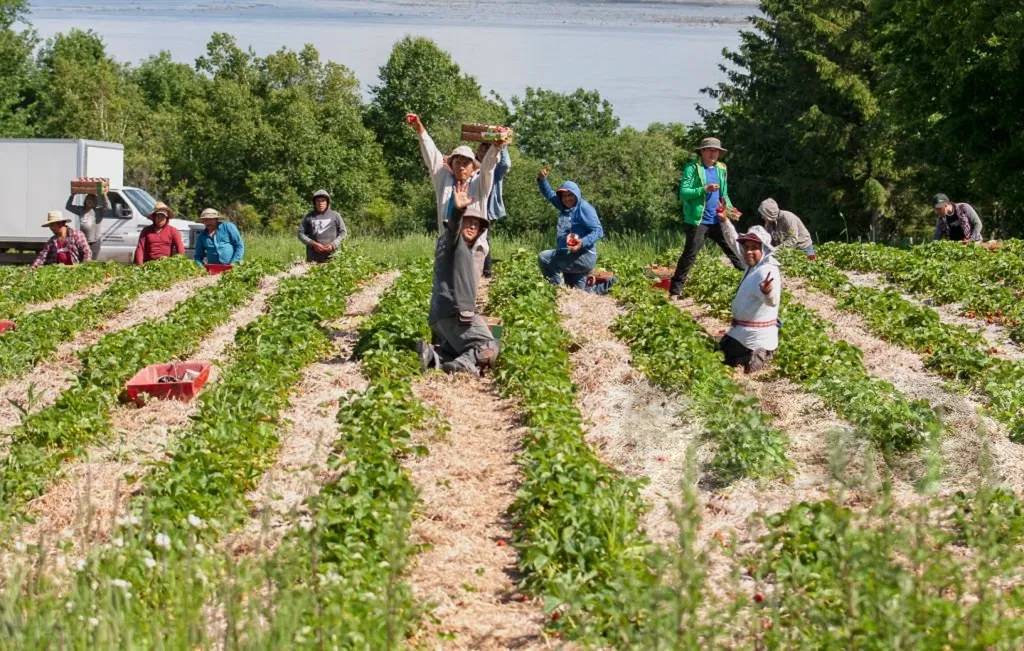
Unlike general low-wage jobs, Employment and Social Development Canada (ESDC) enforces strict worker protections for employers hiring under the TFWP Agricultural Stream:
-
100% Employer-Paid Flights: The employer must pay for your round-trip international transportation between your home country and Canada upfront. Canadian law strictly prohibits employers from deducting or recovering travel costs from your wages.
-
Mandatory Housing Provisions: The employer must provide suitable, government-inspected housing on-farm or off-site. For on-farm housing or general farm hand accommodation, wage deductions are legally capped at a maximum of $30 CAD per week.
-
Free Worksite Transport: Daily transportation between your farm accommodation and the job site must be provided by the employer at no cost.
-
Health Insurance Coverage: Employers must provide private emergency medical insurance until you qualify for provincial health coverage.
Realistic Pay Rates by Farm Occupation
Wages in the agricultural stream are set by Job Bank Canada’s regional prevailing wage tables:
| Farm Occupation | Typical Hourly Wage | Estimated Monthly Earnings (40 hrs/wk) | Primary Regions |
| General Farm / Crop Worker | $17.00 – $18.50 / hr | $2,720 – $2,960 CAD | Ontario, Quebec, BC |
| Greenhouse & Nursery Worker | $17.50 – $19.00 / hr | $2,800 – $3,040 CAD | Ontario, British Columbia |
| Livestock & Dairy Worker | $18.50 – $21.00 / hr | $2,960 – $3,360 CAD | Alberta, Saskatchewan, Manitoba |
| Agricultural Equipment Operator | $21.00 – $25.00+ / hr | $3,360 – $4,000+ CAD | Prairies (Grain & Canola Farms) |
Harvest Season Overtime: During peak harvest seasons, agricultural workers often work 50 to 60 hours per week, earning overtime pay rates (typically 1.5x baseline wages) in accordance with provincial labor legislation.
Types of Farm Positions Available
-
Crop Harvesting: Outdoor planting, cultivating, and harvesting of fruit, vegetable, and grain crops across Ontario, Quebec, British Columbia, and the Prairie provinces. Most general harvest positions train workers on arrival.
-
Greenhouse & Nursery Operations: Climate-controlled indoor operations growing tomatoes, peppers, cucumbers, and floriculture. Because greenhouses operate year-round, these roles offer longer contract durations.
-
Livestock & Dairy Farming: Alberta, Saskatchewan, and Manitoba maintain large-scale dairy, cattle, and swine facilities requiring year-round animal care, feeding, and equipment maintenance.
How to Find Farm Jobs in Canada with Visa Sponsorship
-
Job Bank Canada: Search the official Job Bank Canada TFWP Portal for “Agricultural Worker” or “Farm Hand” and filter specifically for listings backed by an approved Labour Market Impact Assessment (LMIA).
-
FERME Placement Agency: Quebec’s non-profit farm recruitment organization assists regional agricultural producers in hiring foreign workers through legal channels.
-
Verify LMIA Approvals: Before submitting personal documents or accepting a job offer, confirm the employer’s LMIA status using ESDC verification portals. Under Canadian law, employers pay all LMIA processing and recruitment costs; never pay an agent or employer placement fees for a farm job offer.
Permanent Residency (PR) Pathways for Farm Workers
While farm work begins on a temporary work permit, experienced agricultural workers can transition to permanent residence through several active programs:
-
Rural Community Immigration Pilot (RCIP): Launched as the permanent successor to RNIP, RCIP allows participating rural agricultural communities to sponsor experienced foreign workers who hold valid job offers from local employers.
-
Provincial Nominee Programs (PNPs): Provinces like Manitoba, Saskatchewan, and Alberta operate dedicated agricultural and food-processing PNP streams offering lower language thresholds (CLB 4) for experienced farm workers.
-
Atlantic Immigration Program (AIP): Covers New Brunswick, Nova Scotia, PEI, and Newfoundland, connecting foreign agricultural workers holding designated job offers directly to permanent residence pathways.
(Note: The federal Agri-Food Immigration Pilot officially closed to new applications on May 14, 2025. Candidates seeking permanent residence should focus on active PNP or RCIP options).
Frequently Asked Questions
Can Nigerian applicants participate in the Seasonal Agricultural Worker Program (SAWP)?
No. SAWP is legally restricted to citizens of Mexico and 11 Caribbean nations. Nigerian applicants must apply through the Temporary Foreign Worker Program (TFWP) Agricultural Stream.
Does the employer pay for my flight from Nigeria to Canada?
Yes. Under federal ESDC regulations for the TFWP Agricultural Stream, employers are required to cover 100% of your round-trip international travel costs. Employers cannot deduct travel costs from your wages.
Summary
Finding farm jobs in Canada with visa sponsorship offers a legitimate immigration route for foreign workers through the TFWP Agricultural Stream. Success depends on focusing on open global programs rather than closed bilateral schemes like SAWP, verifying job offers on Job Bank Canada, and leveraging active regional pathways like RCIP or provincial nominee streams for permanent residence.
Disclaimer: Wealth Visa Hub is an independent educational portal. We are not a farm owner, recruitment agency, or immigration law firm. We are not affiliated with IRCC, ESDC, or provincial agricultural associations.



Pingback: Visa Jobs In Canada For Nigerians 2026; Don't Miss.